Knowledge sharing
Goodwill: The Reserve That Builds Up When Everything is Going Well
Long viewed as a safety net in times of crisis, goodwill has become a tool for standing out and taking things to the next level.

About ten years ago, a major Quebec company was facing one of the worst reputational crises in its history. That company was SNC-Lavalin. In February 2015, the Royal Canadian Mounted Police filed charges of fraud and corruption against the organization, in relation to contracts awarded in Libya. As I watched the company try to set the record straight, one thing struck me: it seemed very alone. A flagship company of Quebec Inc.'s first generation, the engineering firm had expanded rather discreetly. Everyone knew its name, but very few knew what it was really accomplishing in terms of achievements, commitments, or real contributions. And when you find yourself in the spotlight, without anyone really knowing who you are, the hill to climb is always a higher one.
Around the same time, another giant was weathering its own storm. In September 2015, Volkswagen was rocked by the “Dieselgate” scandal: the automaker had rigged emissions tests on millions of diesel-powered vehicles. The misconduct was serious, the fines were colossal. And yet, the brand bounced back surprisingly quickly, returning to record sales in the years that followed.
How can two such different paths be explained? There are many reasons, although the comparison has its limitations. Volkswagen sells directly to the general public: it is a B2C brand that forges an emotional connection with millions of consumers. SNC-Lavalin operated in a B2B environment, where companies do not foster the same emotional connection with the general public. This difference between the two organizations is therefore not just a matter of communication.
But when seeing both brands falter almost simultaneously, it was difficult at the time not to draw a parallel. And one factor struck me as crucial: Volkswagen could count on the goodwill it had built up over decades, a bond forged with generations of drivers. SNC-Lavalin had not built up that reserve of goodwill with its audience.
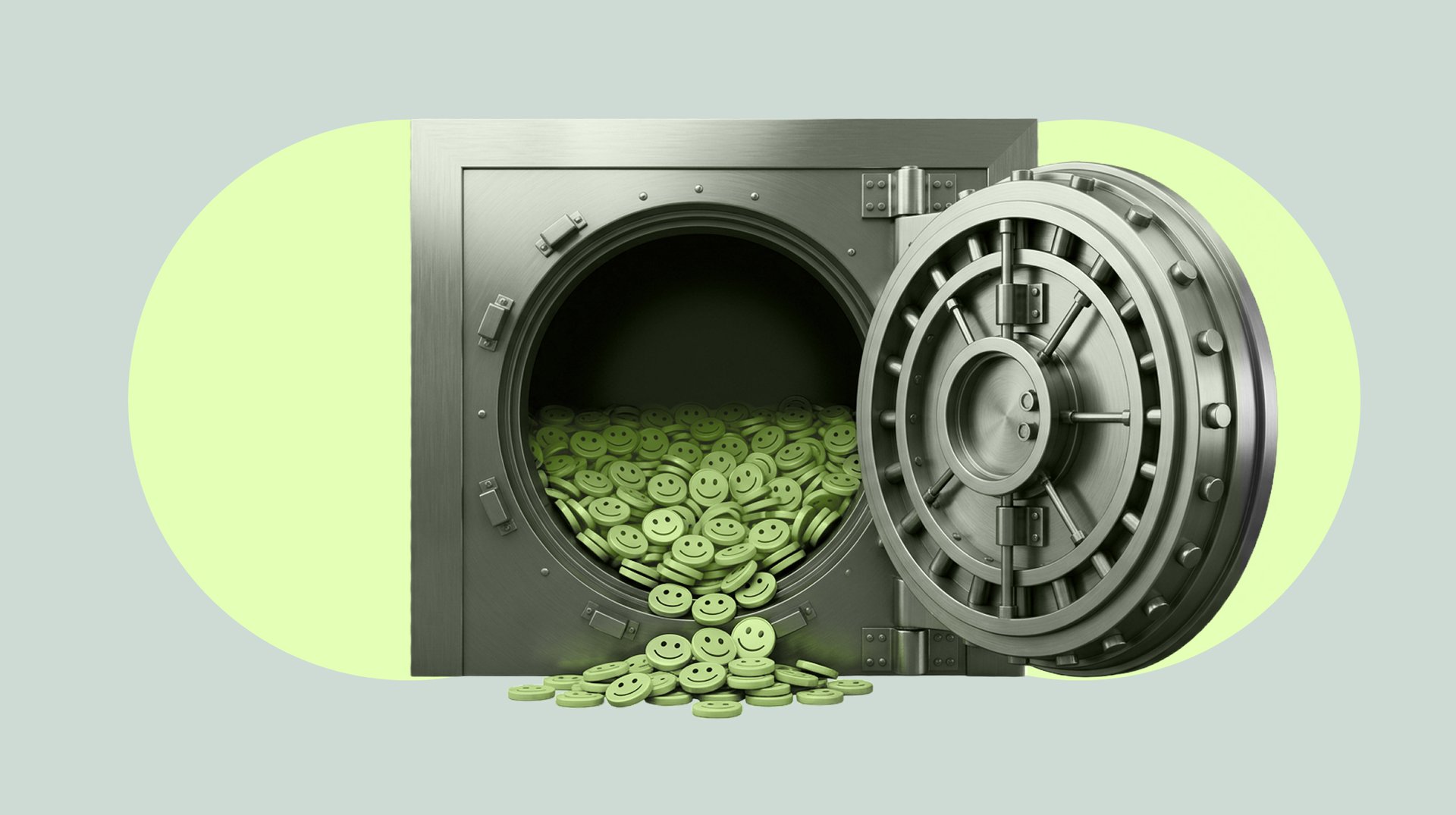
Goodwill is the reserve of trust and favourable impressions that an organization builds up over time with its audiences. It's not only about being recognized or well-known, but something even more valuable: being known in a positive light. It's a form of relational capital. You build it slowly, through consistent actions and words. And like any reserve, it isn't built the day you need it: it needs to be built beforehand.
Build It When Everything is Going Well
That's the paradox: the best time to build goodwill is when everything is going well, precisely when you think you don't need it. For a company, any news having media potential, whether it involves an achievement, an innovation, a commitment, or an analysis of its own industry, is an opportunity to strengthen it. Because when you communicate proactively, at best you generate positive coverage, and at worst, neutral coverage. It will rarely be negative.
And this coverage doesn't disappear. It ends up in the hands of researchers and journalists, and in the press reviews of industry associations, politicians, potential clients, and purchasing managers. Day after day, it shapes the way your organization is perceived.
Goodwill is Now Digital
Today, this goodwill is primarily digital. The first thing people do when they start working with a company or business partner is to check out who they are online: their website, their LinkedIn page, their press coverage, and their Google reviews. In a matter of minutes, an impression is formed. And what search engines and artificial intelligence show people about you often becomes their first impression, and sometimes their only one.
Discretion: Once a Virtue, Now a Risk
Early in my career, I worked with several first-generation Quebec Inc. companies. Many shared the same cautious approach: do your job well, and be as quiet about it as possible. This discretion, long viewed as a virtue, has become a liability now that customers and consumers want to know more about the people they buy from. Companies with low brand awareness had a much harder time controlling their narrative during difficult periods.
I rediscovered this instinct while developing the French market. Several executives I met in Quebec told me they had always been able to get by while working quietly behind the scenes. Some still believe in that. But in an age when it has never been easier for a customer or citizen to speak out publicly, remaining silent is no longer neutral: it means letting others tell your story for you. And that’s never an ideal situation.
From Protection to Standing Out
A crisis always leaves its mark, and some of those marks will remain visible online for a long time. You don’t erase them: you counterbalance them, as best you can, with years of proactive communication in reserve that remind people who you really are. That is how I first described goodwill: as a form of insurance for difficult times. I still believe that.
But as the years have gone by, I’ve come to see it as something else as well. First, it’s a way to stay in control of one’s own story. Second, it’s a way to stand out, and that may be the most important thing. In a market where almost everyone communicates, an organization which patiently builds its reputation eventually stands out from the crowd and inspires trust even before the first encounter. That’s often what takes it to the next level.
You can't buy goodwill in a hurry. It's built when things are going well, one statement at a time. Yesterday, it was about protection. Today, it's about having an advantage.
Frequently Asked Questions
What is goodwill?
It is the reserve of trust and positive impressions that an organization builds up over time with its audiences. It is a relational asset that can be drawn upon, especially during difficult periods.
How does goodwill differ from brand awareness?
Brand awareness means being known. Goodwill means being known in a favourable light. A company can be very well-known yet have little public goodwill, which makes it vulnerable as soon as an issue arises.
When should you build it?
When everything is going well, precisely when you think you don't need it. Like any reserve, it can’t be built during an emergency, it must be built up in advance. Every news story having media potential is an opportunity to strengthen goodwill.
Is it really useful for a B2B company?
Yes. Even if it doesn't sell to the general public, a B2B organization is closely scrutinized by customers, partners, procurement managers, researchers, and journalists. Their first reflex is always to seek who you are online. The discretion that was once the norm has become a risk, regardless of the market.
How can we actually build goodwill?
By communicating regularly and proactively: highlight your achievements, innovations, and commitments; give your experts a platform to speak; cultivate your digital presence (website, social media, press coverage, etc.). This requires consistent effort, it’s not a one-time endeavour.