Associations
Raising Awareness of the International Cospas-Sarsat Programme and Extending the Reach of Global Search and Rescue Day
The Cospas-Sarsat international satellite system detects distress signals anywhere on Earth, yet remains largely unknown to the public. We are giving this Programme the visibility its impact deserves, on a global scale.

Telling the Story of a Vital Contribution Few People Know About
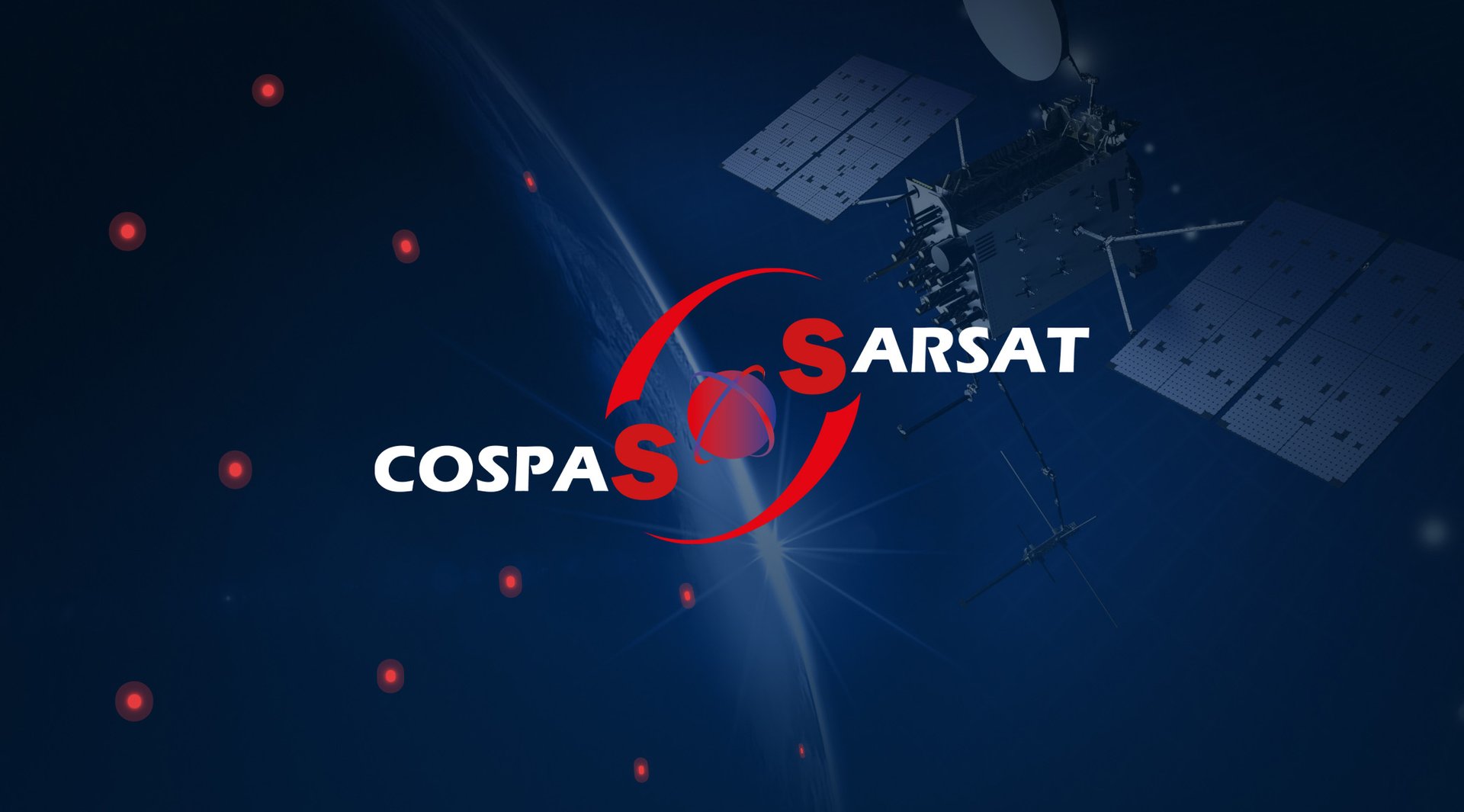
The International Cospas-Sarsat Programme has been saving lives since 1982, yet its existence is mostly unknown outside of specialized circles. The Programme, which unites 45 member States and organizations, commissioned our team to tell the story of its role based on a simple idea: turning a distress signal into a rescue, wherever its origin on Earth. We built the narrative’s foundation, defining the editorial themes that shape the year, the Programme’s official vocabulary, and the way of communicating with audiences as diverse as UN agencies and outdoor enthusiasts. A monitoring framework regularly verifies that the improved visibility supports the Programme’s objectives. Each year, September 10 is where it all converges, time after time.
Giving Global Search and Rescue Day a Permanent Home
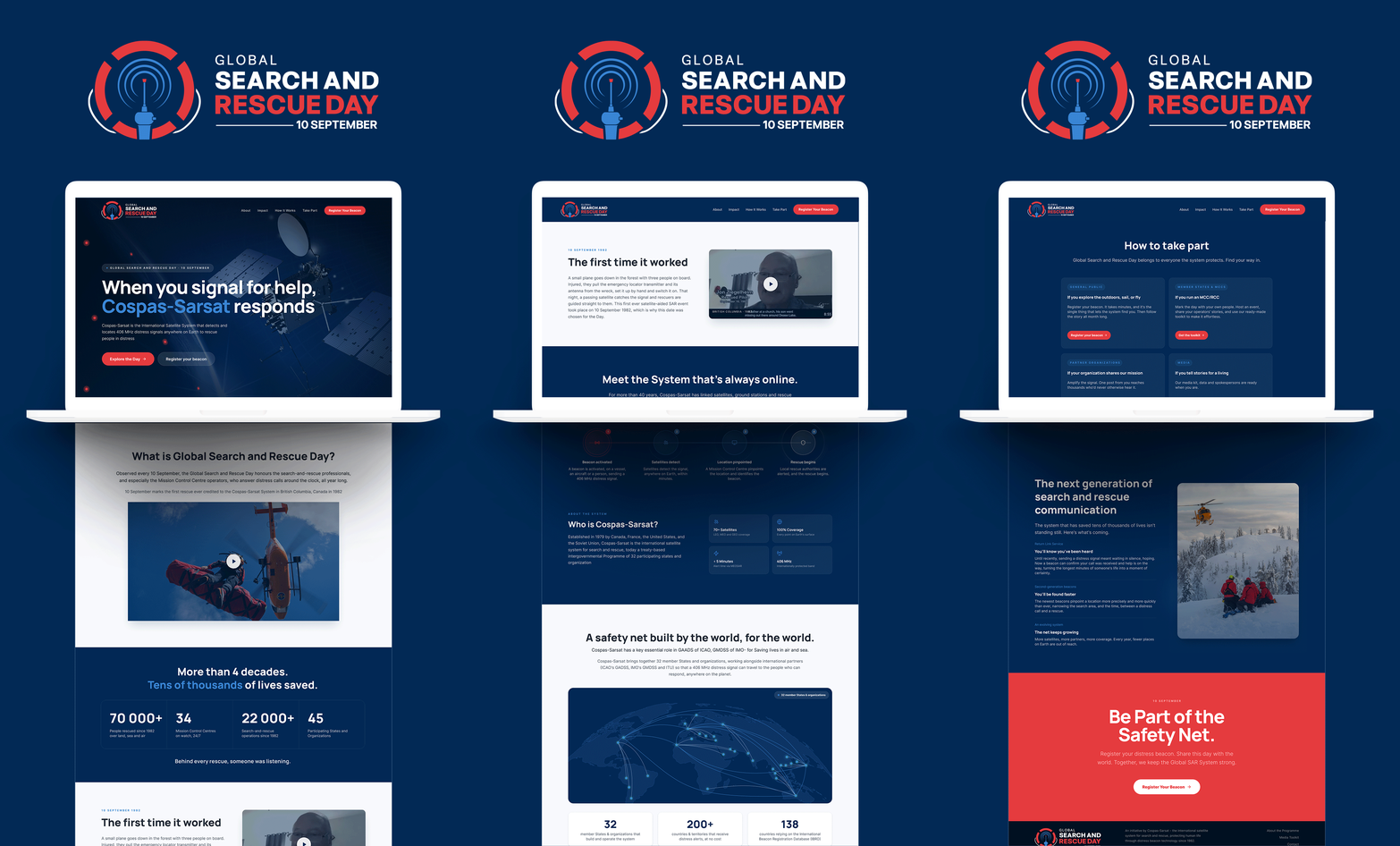
Our team designed and built sarday.406.org, providing the Programme with a platform devoted entirely to Global Search and Rescue Day (“Global SAR Day”). It walks visitors through the details of the rescue process, from the moment a 406 MHz beacon sends its signal to the moment help arrives. It also explains where the date for Global SAR Day comes from: the very first satellite-assisted rescue in history took place in Canada on September 10, 1982. Built to last and optimized for searches, the platform willis be reactivated every year.
Bringing a Sophisticated System to Life in Images
Our team produced the campaign's main video, a motion design piece which explains in a few minutes what the International Cospas-Sarsat Programme does and why the September 10 date was chosen. It illustrates a complex technical process, while also highlighting the concrete actions of the people who form the search and rescue chain. Available on the platform, YouTube, and social media, the video is presented in short clips that fuel the campaign through to September 10, the day set aside to honour the members of the Programme’s various teams, as well as their significant efforts.
Establishing the Programme's Voice on Social Media
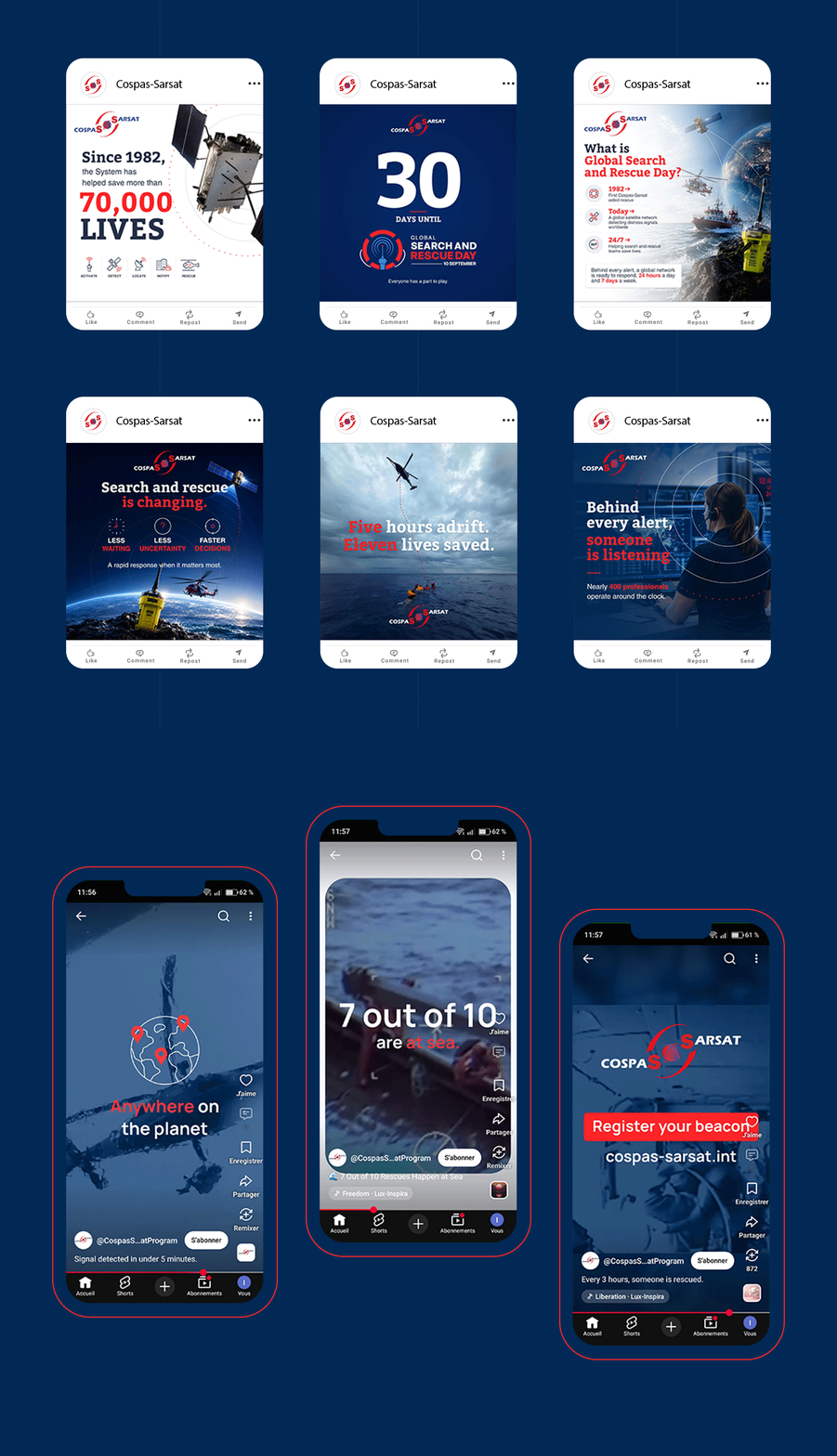
We took over the International Cospas-Sarsat Programme's presence on four platforms. The LinkedIn page was created from the ground up in order to reach the institutional audiences the Programme needs to engage, and we took the reins of the existing Facebook, Instagram, and YouTube accounts, realigning them on the same overall narrative. Our team publishes operator portraits, rescue stories, and explanations of the system’s processes, following a calendar that picks up in intensity as September approaches. As a result of these initiatives, LinkedIn impressions increased by 54% in one month, while Facebook video views were up 81% over three months.
Enabling Every National Administration to Carry the Same Message
To spread the Cospas-Sarsat message across dozens of countries and in multiple languages during Global Search and Rescue Day, our team designed two universal toolkits that make it easier for local administrations to deploy communications campaigns through their own channels and relative to their own contexts. The first toolkit holds everything required to create posts, from key messages to ready-to-share visuals, while the second prepares national teams to work with the media, from the official press release to the questions journalists will ask. This approach helps in expanding the reach of the campaign surrounding September 10, and in raising awareness of the Cospas-Sarsat Programme across all member countries.
Orchestrating a Global Media Rollout
We prepare the September 10 media operation by linking the Cospas-Sarsat Programme to topics that are already in the news: maritime and aviation safety, satellite technology, artificial intelligence and more. Our team supports the Programme’s spokesperson, compiles lists of journalists, and coordinates news embargoes so that announcements are released simultaneously around the world, thus creating a ripple effect that informs the public about the Programme’s activities, the efforts of its personnel, and the tens of thousands of lives saved over the decades.